 visit Auburn.edu
Faculty: Dr. Michael Wesson & Dr. Jeremy Mackey
Course Description:
This intensive two-day course equips managers and executives with practical tools to lead change in organizations with greater clarity, confidence, and impact. Designed for leaders who want to be prepared to guide teams, functions, or business units through transition, the program focuses on diagnosing the need for change, assessing employees’ readiness for change, communicating a compelling rationale for the intended changes, building commitment across stakeholders, managing resistance in real time, and reinforcing new organizational norms moving forward. Participants will leave with a pragmatic framework for turning change initiatives into sustained organizational progress while leading people in a manner that keeps them aligned, engaged, and focused on results.
Target Audience:
Who will benefit most from this course?
- Mid-level managers responsible for leading teams through change initiatives.
- Senior managers and directors overseeing departments or business units in transition.
- Functional leaders in operations, HR, marketing, finance, or supply chain managing organizational shifts.
- Project and program leaders responsible for implementing major initiatives or transformations.
- Executives who sponsor or guide enterprise-level change efforts.
- Team leaders preparing for higher-level leadership roles involving organizational change.
- Current and emerging leaders seeking structured tools for managing resistance and building buy-in.
- Professionals who want to be prepared to navigate periods of transition.
Learning Objectives & Outcomes:
- Diagnose the need for change and assess employees’ readiness for change.
- Identify key stakeholders, anticipate sources of resistance, and build support across teams and functions.
- Apply actionable leadership and communication approaches to guide people through uncertainty during periods of transition.
- Create an action plan to sustain momentum, reinforce new behaviors, and facilitate continuous improvement after the change launch.
Faculty Biography:
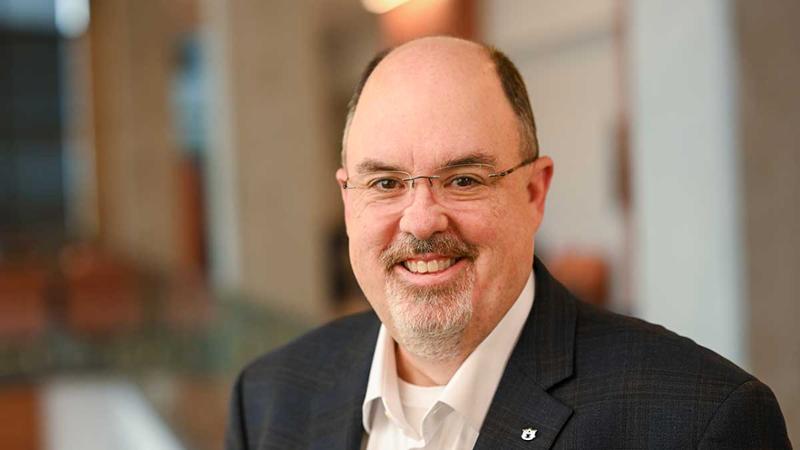
Dr. Michael Wesson - Associate Dean Graduate and Executive Programs
Dr. Michael J. Wesson is the Luck Professor and Associate Dean of Graduate and Executive Programs in Auburn University’s Harbert College of Business. He received his PhD from Michigan State University. He has taught leadership, organizational behavior, and human resource management–based classes at the undergraduate, graduate, executive, and doctoral levels. He has received awards for teaching excellence both at the college and university levels and is co-author of a popular textbook on Organizational Behavior.
Wesson’s research interests include leadership, turnover, organizational change, organizational entry (employee recruitment, selection, and socialization), and compensation and benefits. His articles have been published in top journals such as Journal of Applied Psychology, Personnel Psychology, Academy of Management Review, and Organizational Behavior and Human Decision Processes. His works have been cited over 23,000 times (Google Scholar).
Wesson has served as a consultant to companies in the automotive supplier, oil and gas, and technology industries in areas dealing with leadership development, recruiting, selection, onboarding, compensation, and employee retention.
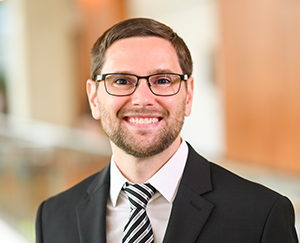
Dr. Jeremy D. Mackey
Dr. Jeremy D. Mackey is the McWane Professor of Management and Entrepreneurship in the Harbert College of Business at Auburn University.
Mackey's primary research interests are leadership, interpersonal mistreatment, social exchange, and meta-analysis. He has published dozens of journal articles across numerous academic journals, including the Journal of Applied Psychology, Journal of Management, Personnel Psychology, and Strategic Management Journal.
Mackey teaches classes in the undergraduate, master's, and doctoral programs in the Harbert College of Business. His teaching philosophy emphasizes providing practically useful and personally meaningful experiences that inform people about evidence-based practice. He leverages his research and teaching experience to help people learn leadership skills.