visit Auburn.edu
Alumni Spotlight
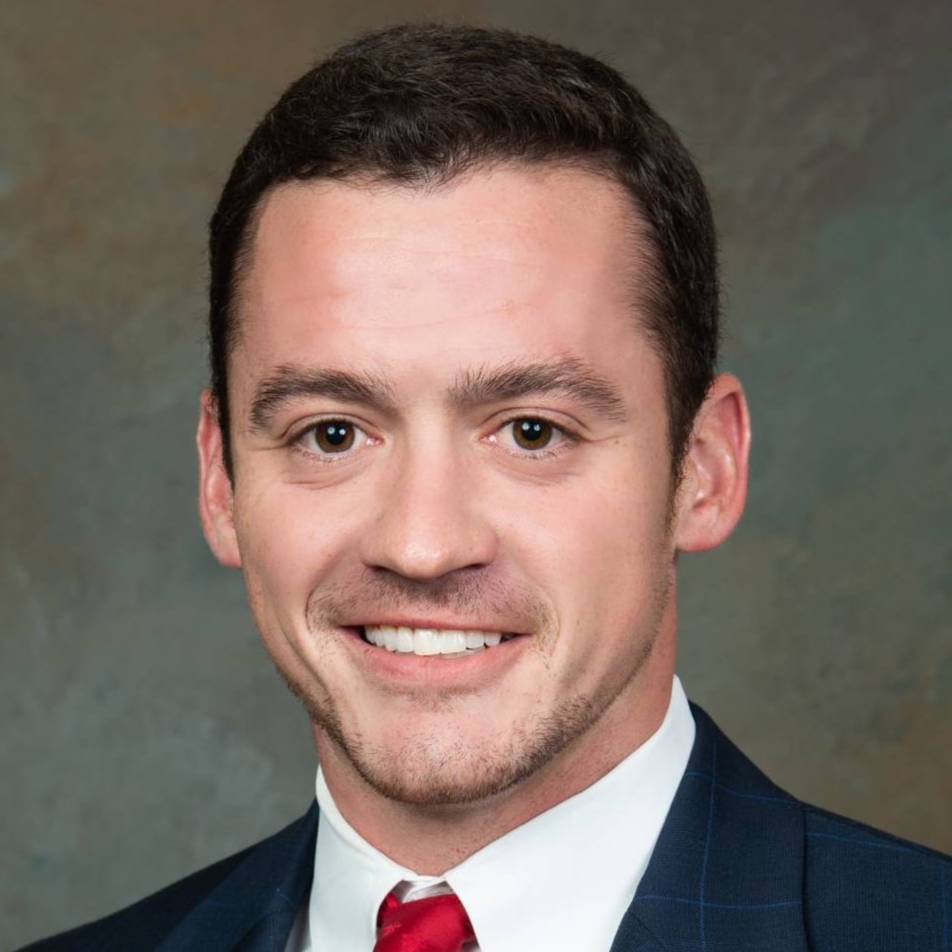 |
Anthony Lioce
|
What initially interested you in Auburn’s MSF program, and what made you decide it was the right fit for you?
First things first-War Eagle! My initial interest in Auburn began with the university itself. Auburn has one of the most beautiful campuses in the country, but once I started exploring the MSF program, I quickly realized there was much more to it than the campus and tradition. After learning more about the program and having the opportunity to meet April Hurley during a campus visit, it became clear that Auburn was the right fit for me. What stood out most was the standard Auburn sets for itself and the quality of the people behind the scenes who make programs like the MSF so successful. I could tell that the faculty and staff genuinely cared about the students and the reputation of the program.
Looking back, what part of the MSF experience had the biggest impact on your personal or professional development? Was there a class, project, or experience from the Auburn MSF program that you feel best prepared you for the realities of your career?
Every college program in the country has access to the same textbooks, Harvard Business Review articles, case studies, and other academic resources. What every program does not have, however, are professors like Dr. McIntosh and Dr. Yost. As an on-campus student, I had the opportunity to work directly with these individuals and soak up as much of their knowledge and experience as possible. They encouraged questions, challenged us to find answers for ourselves, and pushed us to never settle for the status quo.
Two classes in particular stand out to me: Applied Financial Management, taught by Dr. McIntosh, and Mergers and Acquisitions, taught by Dr. Yost. As the COO of our 96-employee family business, I spend a great deal of my time preparing pro-forma financial statements for potential acquisitions, branch start-ups, and product expansion opportunities. Applied Financial Management became the foundation for much of the financial knowledge I use today.
Dr. Yost’s Mergers and Acquisitions class gave me a strong understanding of the inner workings of buying and selling companies. This included valuation methods, deal structure, and the overall intensity and importance of the due diligence process. The knowledge I gained from both classes was not simply academic—it is something I continue to apply in our business on a regular basis. Both professors and their courses have contributed greatly to my development as a leader and to the success of our business today.
What was your favorite experience or most memorable moment during the program?
One of the most memorable experiences of the program was the opportunity to participate in the international trip to Greece. We spent 10 days traveling throughout the country and meeting with four different businesses. This gave us incredible insight into what it takes to operate a business outside the United States. One theme consistently stood out with these business owners: survival. In a country like Greece, where businesses face a very different economic and regulatory environment, the focus was often simply on adapting, staying competitive, and surviving from one day to the next.
How did relationships with faculty, classmates, mentors, or alumni shape your experience in the program?
In all honesty, I came into the program a little unsure of what my career path and future would look like. From my first day on campus, though, I decided to go all in. I dedicated myself to the program and trusted God to provide direction along the way. In doing so, I developed some of the most meaningful and lasting relationships of my life with both faculty and classmates.
There are still a handful of classmates I stay in regular contact with and many of them came to my wedding. A couple of months ago, I spent an hour on the phone catching up with one of my former professors. I have gone on a three-day fishing trip with another professor, and another has worked directly with my entire sales team as a consultant on innovation and technology.
I mention this simply to show the level of care, investment, and enthusiasm Auburn professors have for their students. I graduated more than six years ago, yet these relationships have not faded with time—they have only continued to grow.
What opportunities did the MSF program expose you to that you may not have pursued otherwise?
Before I knew I would be returning home to help run our family business, the MSF program opened the door to several exciting career opportunities. One was an internship and job opportunity with Time Warner in Atlanta. After completing three rounds of interviews, I was honored to receive an offer to work directly within their finance department. That experience showed me the value Auburn’s MSF program carried.
Another opportunity came after my first semester, when I became a graduate assistant for an undergraduate finance professor. In that role, I assisted with classroom instruction, after-hours study sessions, grading, and other administrative responsibilities. Through that experience, I developed a genuine passion for teaching and working with students. I enjoyed it so much that I seriously considered continuing in Auburn’s Ph.D. program and pursuing a career in academia.
What do you think distinguishes Auburn’s MSF program from other graduate finance programs you were considering?
“The only way to do great work is to love what you do.” — Steve Jobs
The environment fostered by Auburn’s faculty and staff made it nearly impossible not to love the experience. Their passion for teaching, investment in their students, and commitment to excellence created an atmosphere that pushed me to give my absolute best. Because of that environment, they were able to get more out of me than I probably knew I could give, and I left the program better because of it.
Between the international experience, graduate assistantship opportunities, and access to faculty, Auburn gave me the chance to build both professional skills and meaningful relationships. It never felt like I was just earning another degree. It felt like I was becoming part of a community that wanted to see its students succeed long after graduation. This is the Auburn way.
What aspects of the MSF program helped you develop beyond where you were when you first entered the program?
The biggest area of growth for me was learning how to think more critically and confidently when making business decisions. Before the program, I had an interest in finance, but Auburn taught me how to take financial information, break it down, ask the right questions, and use it to make better decisions. That way of thinking has become extremely important in my career, especially as my responsibilities have grown.
I also grew personally during the program. I became more comfortable speaking up, asking questions, working with different types of people, and taking on leadership responsibilities. The program gave me experiences that pushed me outside my comfort zone and helped me better understand what I was capable of. I entered Auburn still trying to figure out where I was headed, and I left with a much clearer sense of direction and a stronger belief in my ability to lead.
Contact Us